Menu
member login contact link

Summary

  • Voluntary absenteeism refers to a situation where employees choose not to attend work, because they are disengaged or dissatisfied.
  • Low engagement is a key driver, with team tensions and behavioural misalignment associated too.
  • Belbin can help managers address these issues by clarifying roles, reducing conflict and establishing balance.
Employees aren’t just calling in sick – some are simply choosing not to turn up.

The latest CIPD/Simplyhealth report shows that absence has soared to the highest level in over a decade, with employees taking an average of 9.4 days off in the past year – up significantly from 7.8 days in 2023.

While some of this reflects sickness, voluntary absenteeism may also be playing a part.

Voluntary absenteeism refers to situations where employees choose not to attend work, even when they are capable of doing so. It is consistently associated with disengagement, work dissatisfaction and a disconnect between an individual and their working environment.

It’s avoidable, costly and closely linked with factors that managers can influence. In other words, voluntary absenteeism is an organisational culture issue – not a medical one.

This is where Belbin comes in. Understanding the behavioural dynamics behind avoidance can help leaders rebuild engagement, clarify expectations and design teams where people genuinely want to contribute.

Why people choose not to attend: key drivers of voluntary absenteeism

1. Low engagement and lack of motivation

Low job engagement is one of the strongest predictors of absenteeism. Employees who feel undervalued, unchallenged or disconnected from their team are more likely to withdraw – first psychologically, then physically.

2. Poor psychosocial climate

Workplaces where people feel unsupported or unsafe – socially or psychologically – show higher levels of absence. Poor managerial relationships, unclear expectations and a lack of recognition all contribute to avoidance.

3. Team tensions and behavioural misalignment

Many cases of voluntary absenteeism stem from unresolved interpersonal friction, mismatched working styles or unmet role expectations. When individuals feel their natural strengths are ignored or misused, disengagement increases.

4. Overload, stress and unfair distribution of work

Ironically, absenteeism can become self-reinforcing: when teams are unbalanced, some individuals overwork while others withdraw. This creates resentment and increases the likelihood of further voluntary absence.

Our research and insights straight to your inbox

Join over 25,000 people who receive our research and insights once a week. Unsubscribe any time.

How Belbin helps organisations address voluntary absenteeism

Belbin isn’t an attendance tool. It tackles the causes of voluntary absenteeism, not the symptoms.

I8 Report Page Featurette

1. Improving behavioural fit and reducing frustration 

Belbin identifies individuals’ roles and contributions within a team. When these strengths are recognised and used, people feel more valued, less stressed and more motivated to show up consistently.

2. Creating clarity around expectations

A common cause of disengagement is uncertainty – not knowing what “good” looks like. Belbin provides language and structure to clarify who does what and why, reducing the sense of ambiguity that often leads to withdrawal.

Collaborative Problem Solving
Team Conflict And Belbin 2

3. Reducing conflict and interpersonal strain

Voluntary absenteeism often arises from team tension. Belbin helps teams understand behavioural differences, reframe frustration as complementarity and develop working agreements that keep conflict constructive.

4. Designing balanced teams that avoid overload

When a team lacks certain roles, pressure can accumulate as others try to fill the void. Belbin helps leaders strengthen team composition so work is shared more evenly – reducing burnout-driven avoidance.

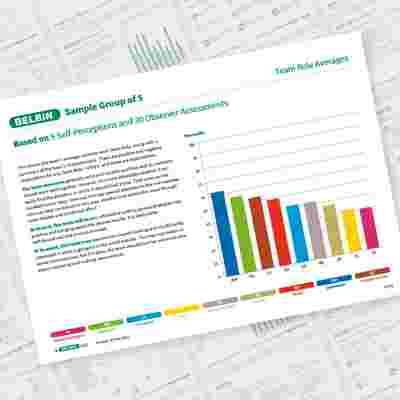
Sample Team Of 5 Team Report Page
Leadership Relationship Square Belbin Team Roles

5. Enhancing engagement through recognition and autonomy

Belbin encourages managers to shape job roles around strengths. When people feel their contribution matters – and are able to play to their strengths – discretionary effort increases and voluntary absence decreases.

Practical steps for organisations

Organisations looking to tackle voluntary absenteeism can:

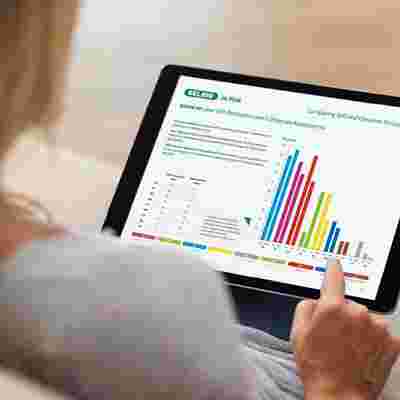
  • Use Belbin Team Role reports to reveal where individual strengths are being underused or misaligned.
  • Discuss behavioural expectations openly using Belbin language – this normalises differences and reduces misunderstanding.
  • Realign work allocation so it matches strengths – reducing frustration and improving motivation.
  • Build or rebalance teams to ensure coverage of key contributions, helping to prevent overload and disengagement.

Belbin can help

Voluntary absenteeism is a symptom of deeper issues – disengagement, behavioural misalignment and lack of clarity.

These are challenges that cannot be solved by attendance policies alone.

By understanding how people prefer to contribute and designing teams accordingly, Belbin helps organisations tackle the root causes of avoidance.

The result is a more engaged workforce, stronger relationships and a culture where people choose to show up – because they feel their presence makes a difference.

Want to find out more? Fill in the form below and we'll show you what Belbin can do.

Request a Demo

Let's explore how Belbin can help your teams work better together. Fill in your details and we'll arrange an online meeting to show you around the Belbin platform.


Discover individual and team strengths using Belbin Team Role reports

Banner Image Belbin Individual Report 2022 Subnav

Belbin Individual Reports

Before you can analyse your teams, you need to look at each individual's contribution. So, the first thing you will need to do is to generate a Belbin Individual report for each member of the team.

Find out more
Banner Image Belbin Team Report 2022 Subnav

Belbin Team Reports

Whether you're forming a new team, introducing new people to an existing team, or trying to resolve issues within a team, a Belbin Team report can help you to manage it.

Discover more
Why use Belbin SubNav

Why Use Belbin?

Belbin Team Roles are used to identify behavioural strengths and weaknesses in the workplace. Whether developing people, resolving conflict or fine-tuning high performance...

Read more